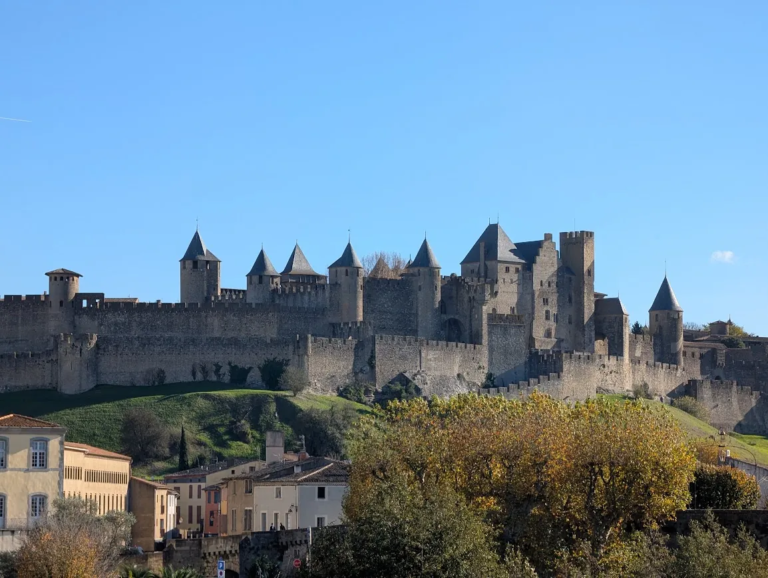
Northern Italy on €35/Day: Milan, Verona, Venice, Padua & Trieste by Bus
The 2026 Winter Olympics had just started when we landed in Milan. We slept at the airport and did the city as a day trip:
TRIP STATS
| ITEM | COST (2P) | NOTES |
|---|---|---|
| Stay | €279.00 | Venice Mestre, 5 nights: bungalow €31/night Verona, 1 night: double room €40/night Trieste, 2 nights: 2 hostel beds €42/night |
| Travel | €74.00 | Per person: Malpensa–Milan €5 (Terravision bus) Milan–Verona €7 (FlixBus) Verona–Venice Mestre €6 (Itabus) Mestre↔Venice €5 (public buses) Venice↔Padua €6 (FlixBus) Venice–Trieste €8 (Itabus) |
| Food | €134.00 | €7.44/day per person Shopped at Lidl. |
| Sights | €150.00 | Per person: Milan: Duomo €10 Last Supper €15 Padua: Scrovegni Chapel €15 Venice: St. Mark’s Basilica €10 Vaporetto 24h pass (Murano, Burano) €25 |
| TOTAL | €637.00 | 9 days at €35.39/day per person |
How €35.39/day per person compares to my other trips: Budget Travel Cost per Day.
Getting There
Flew into Milan Malpensa, getting €40 Wizz Air tickets (no extra luggage), only 7 days in advance. If you book in advance it can cost less than €20.
Both Milan Malpensa and Bergamo (40 minutes away from Milan) are among the cheapest destinations for Ryanair and Wizz Air flights. If you’re flexible with your dates, under €20 tickets (without extra luggage) are available to the UK, Spain, France, Poland, Germany, within Italy and many more European countries.
Search for flights on Skyscanner, I usually use flexible date options.
Getting Around – Buses in Italy
Itabus and FlixBus compete aggressively on Italian routes, which keeps prices low. Compare both on Omio, but booking directly tends to get you the best rate.
Check for promo codes before every booking. Both operators run regular promotions – 10% off is easy to find, 20% is rarer but possible. More bus and train tricks: Budget Travel Tips.
At the end of this trip we continued to Ljubljana by Itabus, they run regular promos – such as tickets to France and Spain under €20. Check Omio for all bus routes across Italy and beyond.
Inter-city buses used on this trip:
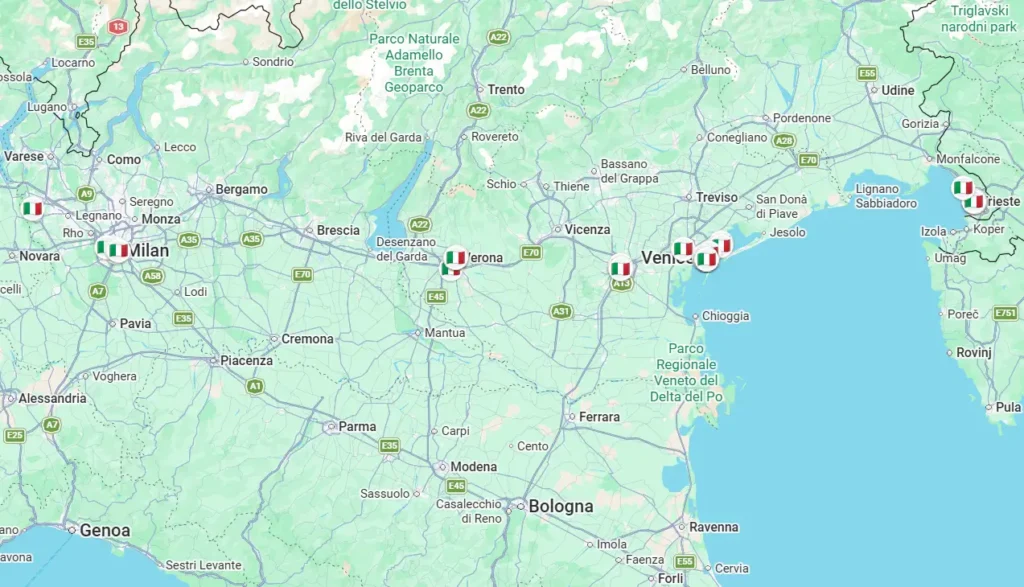
- Milan → Verona: €7 – FlixBus
- Verona → Venice Mestre: €6 – Itabus
- Venice → Padua: €3 – FlixBus
- Padua → Venice: €3 – FlixBus
- Venice → Trieste: €8 – Itabus
Accommodation
Five nights in Mestre, one night in Verona, two nights in Trieste.
We mostly used Agoda on this trip. Cross-check against Booking.com – wider selection, often lower prices. Sort by “Price (lowest first)” and filter to “Good: 7+.”
Venice Mestre: Staying in Mestre – the mainland district just across the bridge from Venice – cuts accommodation costs significantly. The tradeoff: a €1.50 bus and 20–30 minutes each way. Hu Venezia Camping in Town has decent bungalows. Being in Mestre also makes Padua easy – 30 minutes by bus.
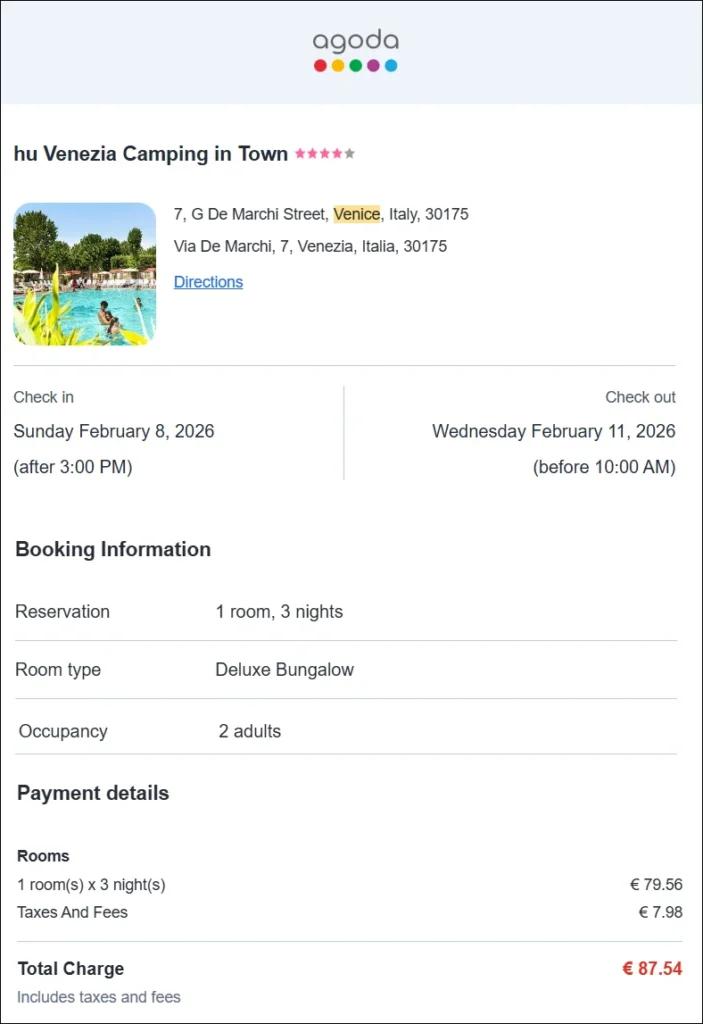
- Tourist Tax: Most Italian cities charge it. €1–€7 per person per night depending on the city, accommodation type, and season. On cheap stays, it’s a significant add-on. Factor it in before booking.
Food
€7.44/day per person. We shopped at Lidl throughout – Aldi is often just as cheap if there’s no Lidl nearby.
Pizza in Italy is incredibly cheap. We got full marinara pizzas for €4–€5.
Route
Day 1 – Milan
We arrived at Milan Malpensa at 1am. The plan was to sleep landside at the airport – the Winter Olympics had just started and hotel prices in the city were very high. The landside area is accessible to the public after leaving departures. There were flat benches to lie down on, it was a comfy night.
In the morning we took the Terravision bus to the center. Because of the Olympics there were fan zones with big screens – we watched some downhill skiing and Italians cheering on their compatriots.
We walked through Galleria Vittorio Emanuele II, then visited Duomo di Milano – one of the largest Gothic buildings in the world and the largest church in Italy. Book tickets online to skip the queue.
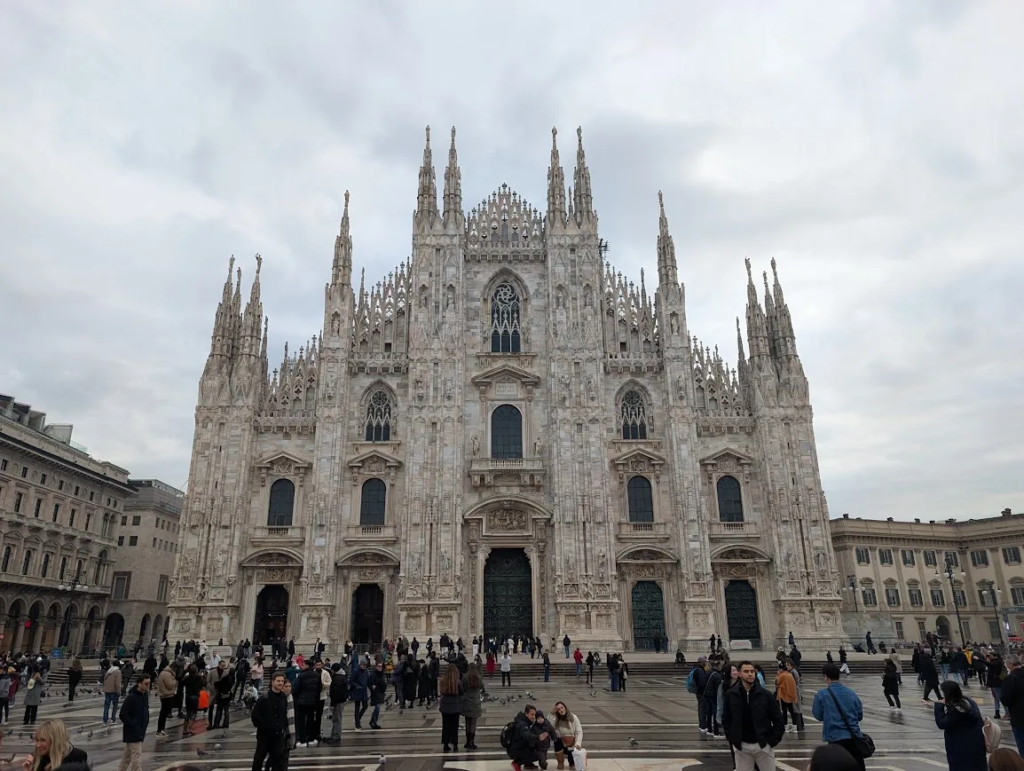
After that, Sforzesco Castle (free entry) and the Olympic flame displayed at Arco della Pace. The day also included Basilica of Sant’Ambrogio and Basilica di Santa Maria delle Grazie. Right next to it is The Last Supper Museum – book well in advance.
Milan’s a cool place to visit, but one day was enough. While it has some sights, it doesn’t have the charm of other big Italian cities – Rome, Naples, Florence, or Venice. The day-trip felt like a good format for us.
In the evening we took a bus to Verona, where we slept in a hotel.
Day 2 – Verona
Verona gave much more of an older Italian city feel than Milan – plenty of colorful houses, busy even off-season. The Arena right in the center was closed for the Olympics but still impressive to view from the outside.
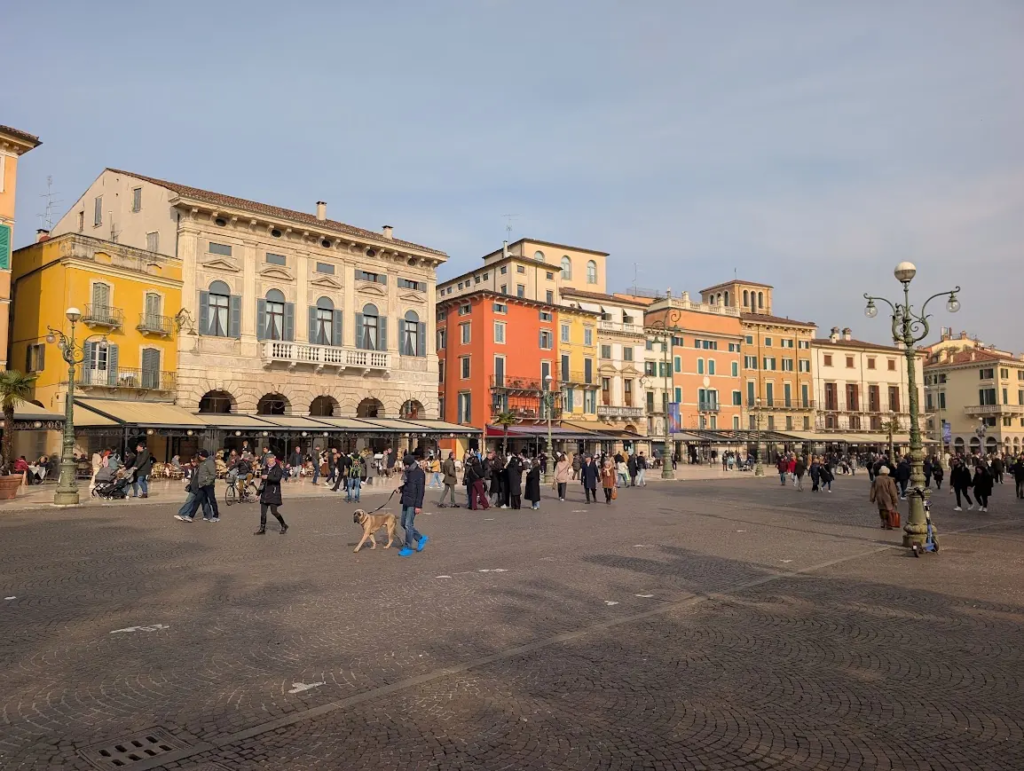
It was Sunday, so the churches were free. We visited a couple. Casa di Giulietta draws crowds – iconic spot, but a bit of a tourist trap, from what we had read. We went into the courtyard for free, saw the famous balcony, and moved on.
Castel San Pietro is reachable on foot and has good views over the city. Ponte Pietra and Ponte di Castelvecchio are the most scenic spots in the city – two bridges over the Adige.
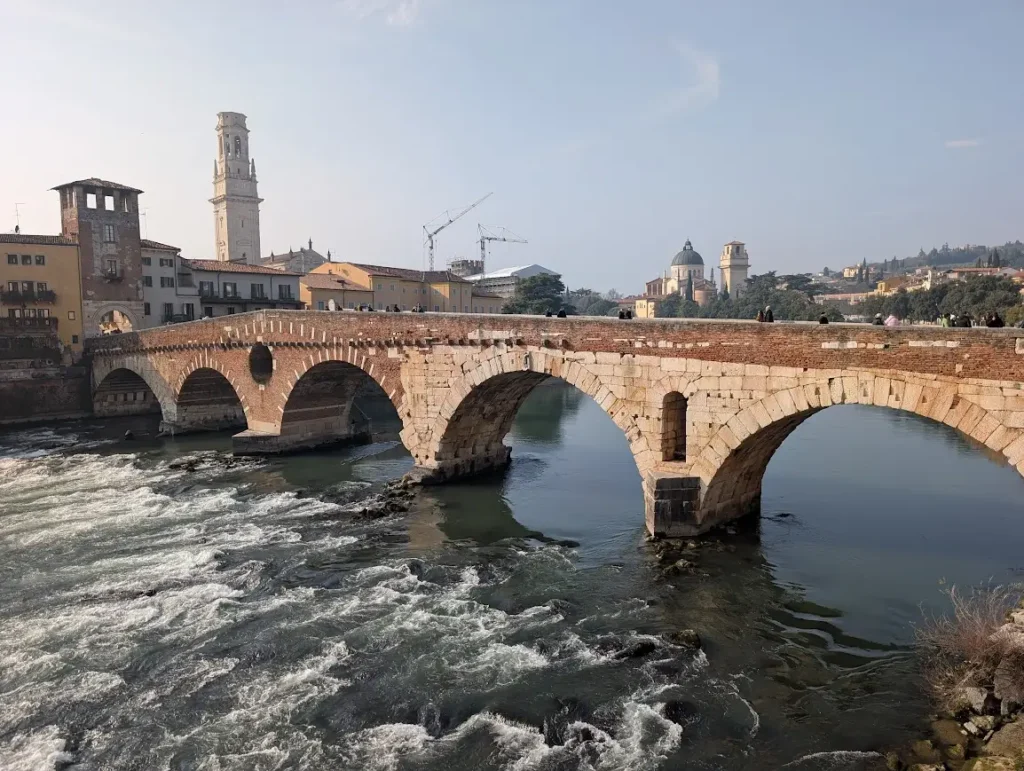
In the evening we took a bus to Venice Mestre.
Days 3–6 – Venice (based in Mestre)
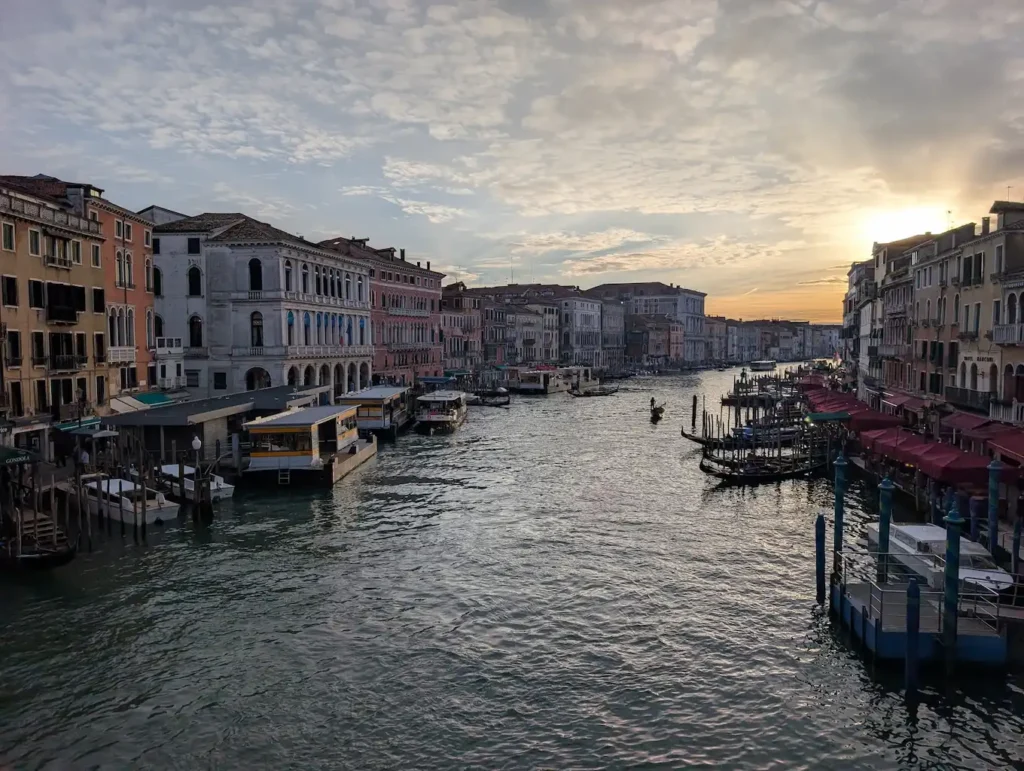
Venice was absolutely amazing, and I think coming in February was key. St. Mark’s Square was crowded, but Venice is large – the smaller streets just out of the center were quiet, sometimes empty. We found it really special.
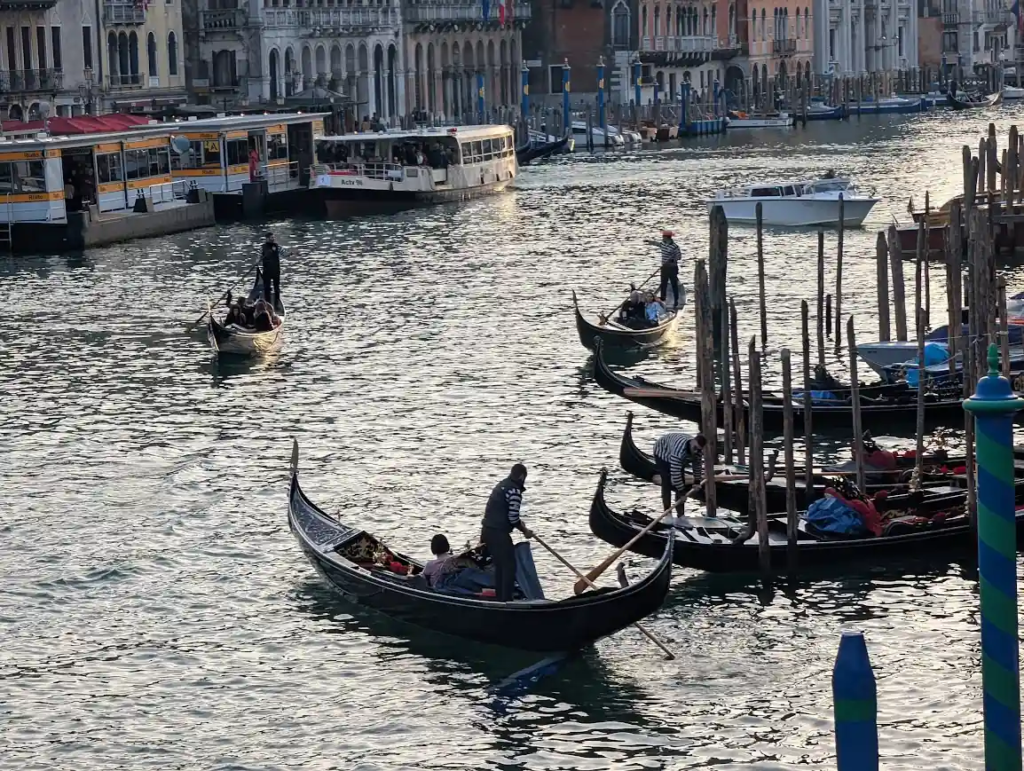
We hadn’t planned to come during the Carnival, but it coincided with our stay. Dressed-up people walking around, free shows at St. Mark’s Square.
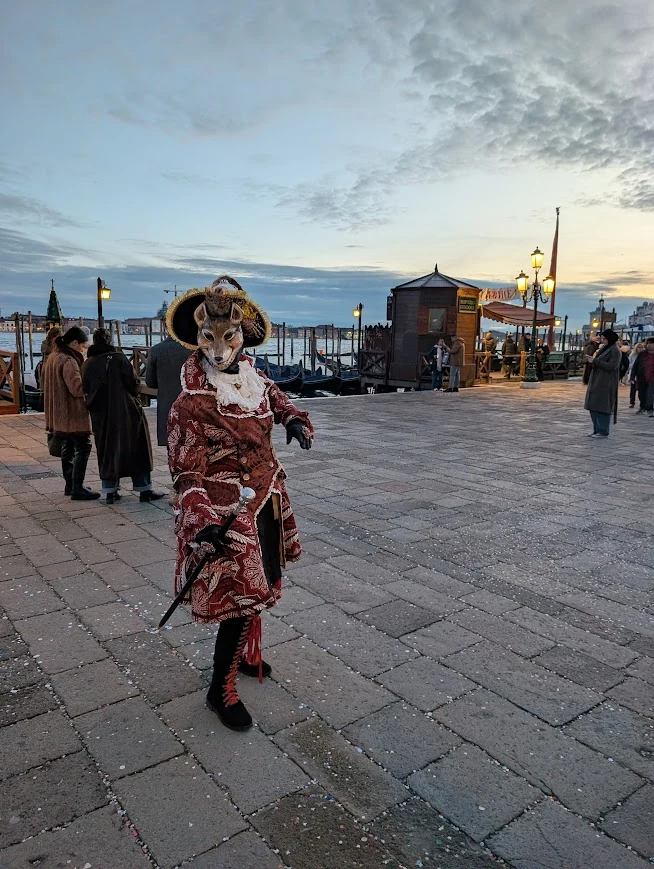
The weather was mixed – some days started later or ended earlier due to rain, but we got sun too. Off-season means dressing warm and staying flexible around the forecast.
On the second Venice day we got a 24h vaporetto pass (€25) and used it to get to the islands. Murano for the glass factories, Burano for the very colorful houses – still busy in February.
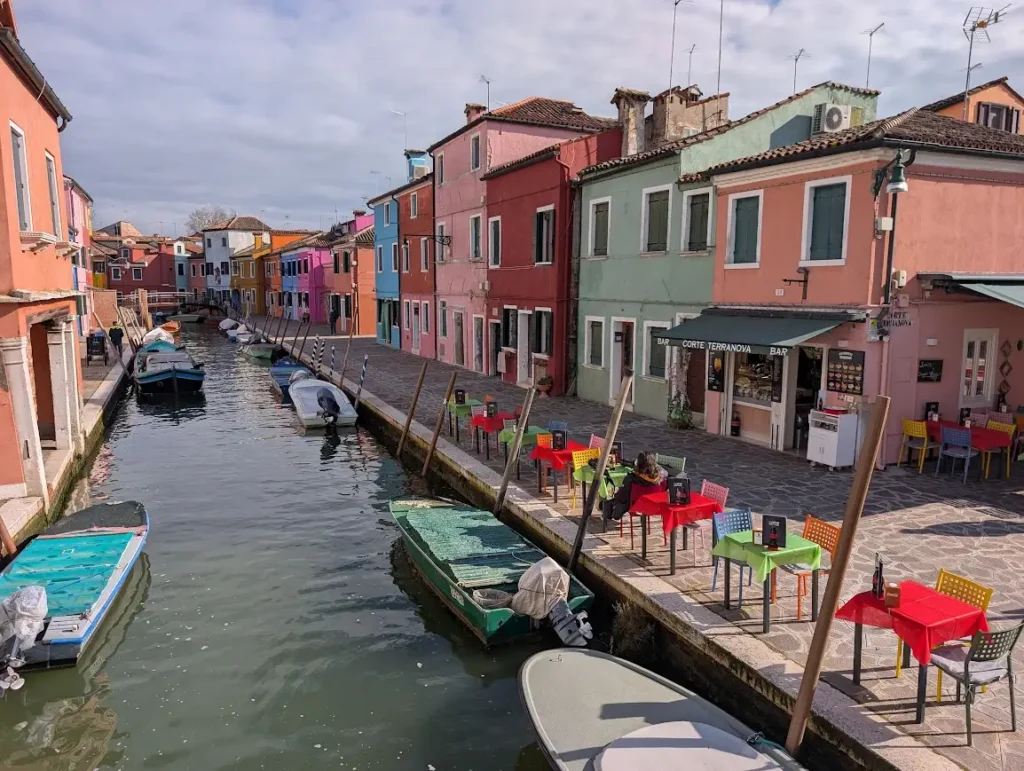
Next island, Torcello was much quieter – the island is very green, not many houses. I wouldn’t call it a must-see unless you want to relax. We took a boat back to Venice and walked around some more. For the ride back from Piazza San Marco to the railway station, Line 1 runs the full length of the Grand Canal – take it if you have time left on the pass. Note: the 24h pass covers the entire Venice municipality including out to Mestre, so it saves the public bus fare if you’re based there.
On our last Venice day we covered the Jewish quarter and St. Mark’s Basilica – full of Byzantine-inspired art, much of it looted. It left a big impression. I really recommend spending an hour on it. We skipped the Doge’s Palace at €30+ per person.
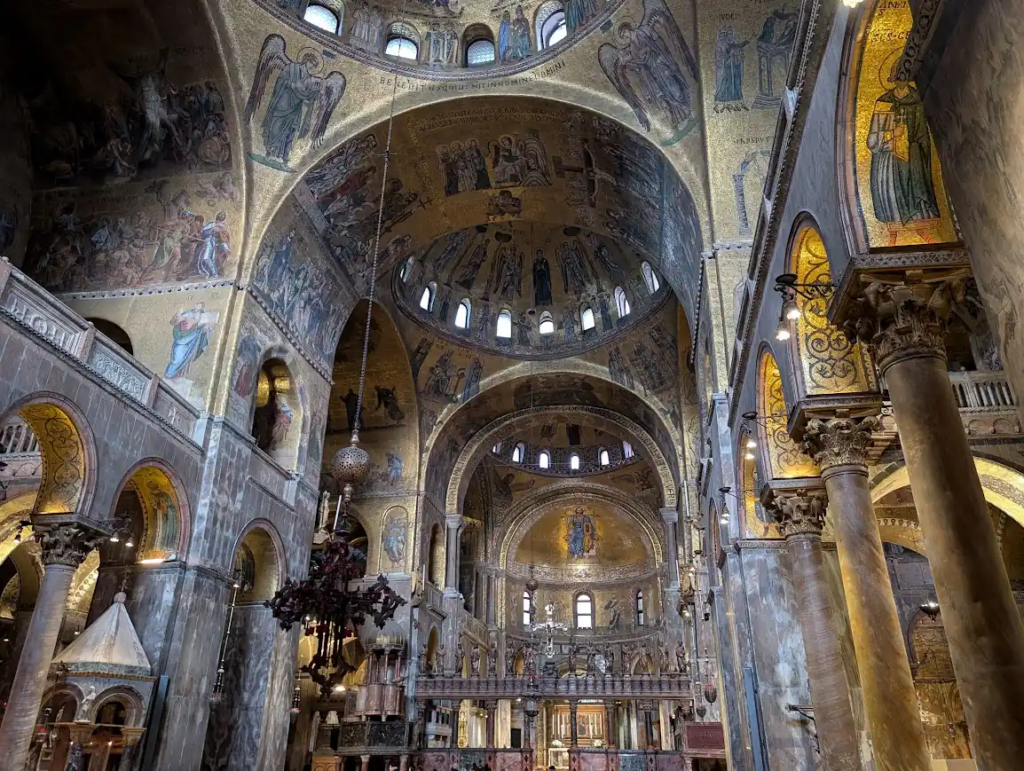
That evening the Beheading of the Bull parade was taking place near the basilica – part of the Carnival program, very cool. Later we witnessed a bit of acqua alta (Italian for “high water”) – high tide flooding in the streets. Worth looking up before you visit.
Day 7 – Padua
We took a day trip to Padua from Mestre – around 30 minutes by FlixBus. Basilica of St. Anthony and Prato della Valle – the largest public square in Italy and one of the largest in Europe – are both free. We also visited the Scrovegni Chapel. We showed up without a reservation, got the next time slot immediately, and had the place to ourselves with two other people. Off-season makes that possible.
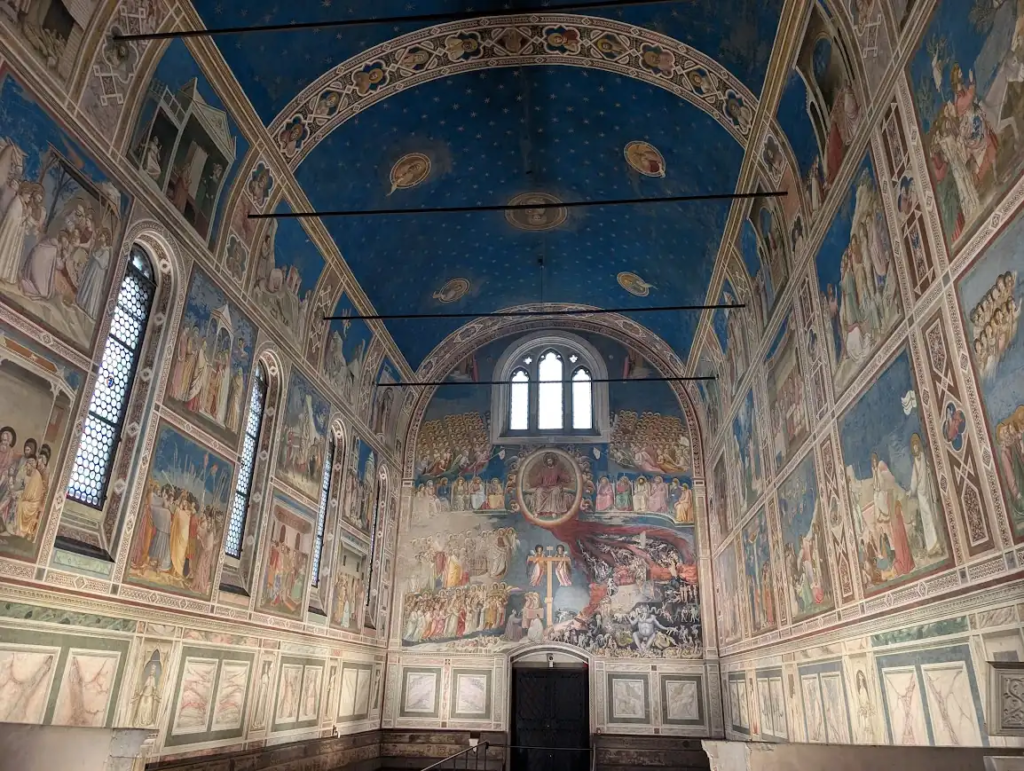
Padua was a worthwhile day trip, but for some reason I expected more. I found Verona the prettier of the two.
Days 8–9 – Trieste
Trieste is a city of a distinct architectural style, very different from the rest of Italy due to its long history within the Austro-Hungarian Empire. It’s much less visited than the other cities on this trip. Piazza Unità d’Italia is the main landmark. We walked around, visited Cattedrale di San Giusto Martire, and had a €4 marinara pizza.
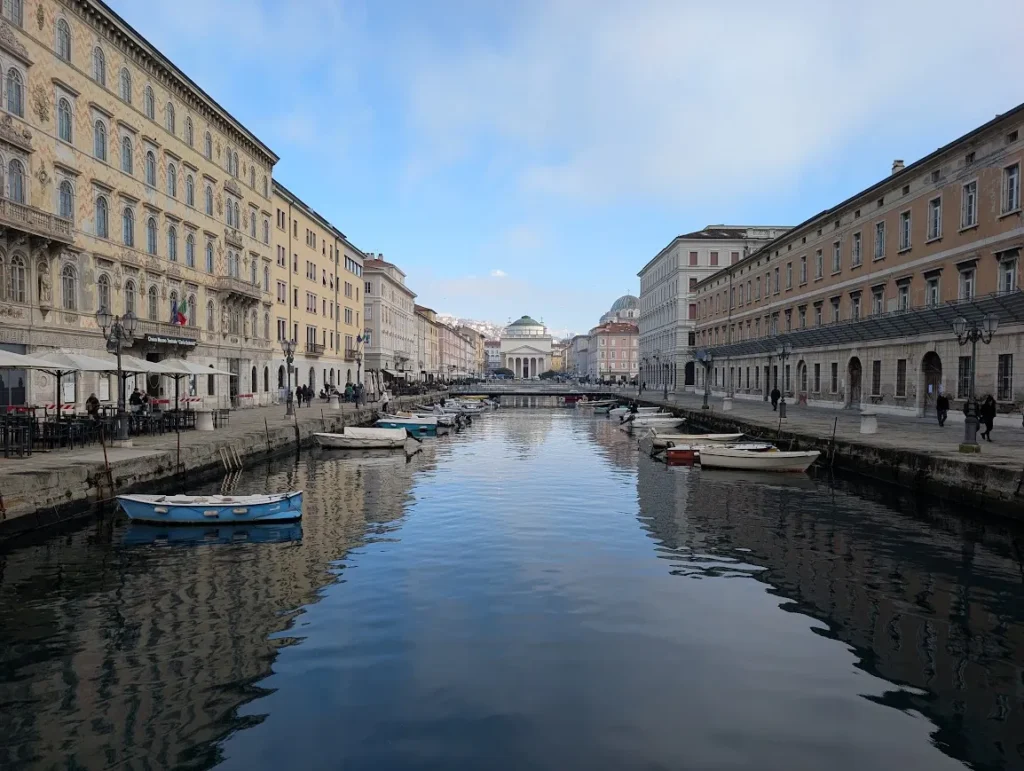
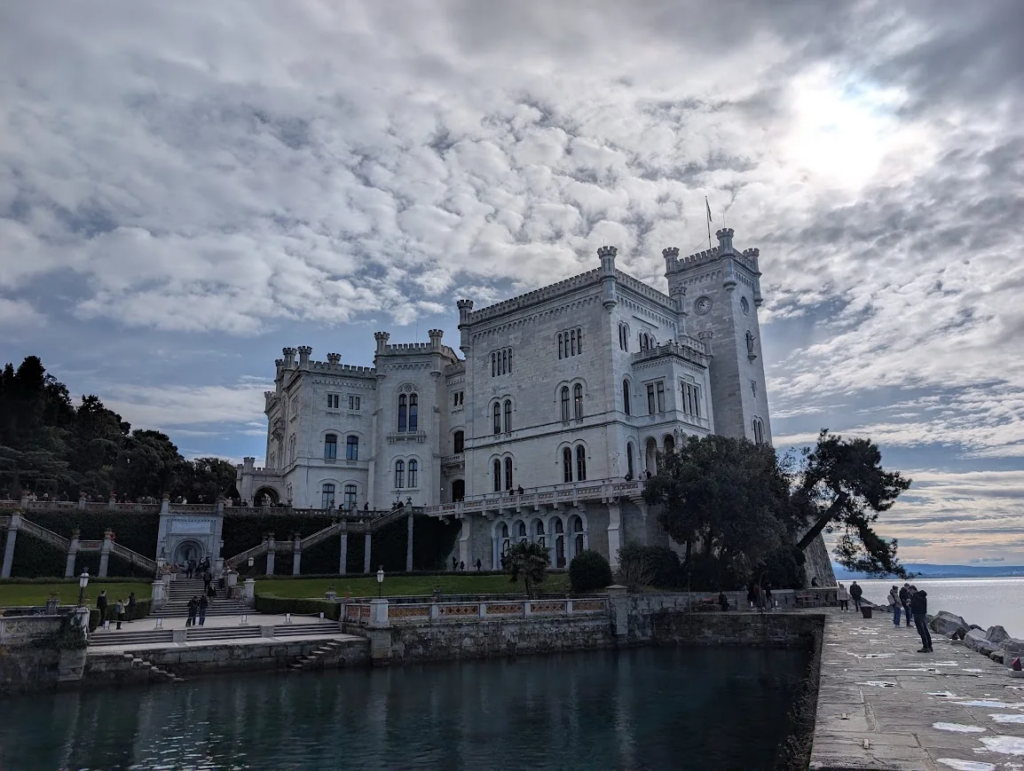
The next day we took a public bus to Miramare Castle and hiked back through Santuario di Monte Grisa and the hillside villages – around 11km.
From Trieste we continued by bus to Ljubljana in Slovenia.
Season
February worked well for this route. Venice during Carnival – usually late January to mid-February, dates shift each year – is worth targeting. The city is busier than usual at the main squares, but the side streets stay quiet, and the Carnival itself is free.
Off-season (November–March, excluding Christmas) advantages: cheaper accommodation, shorter or no queues at most sights, a different atmosphere. The tradeoff is cold weather, occasional rain, and shorter days. Dress warm, keep the itinerary flexible.
Venice is one of the most touristic places in the world. High season (April–October, especially July and August) will be significantly more crowded and more expensive. The summer can get very hot.
Practical
Currency
Euro (€). Cards are accepted almost everywhere. If you’re coming from a non-Euro country, Revolut works well for foreign currency payments – note the 1% weekend markup on currency exchange.
SIM
Italy is covered by EU Roam Like at Home rules. If you have a European SIM, no extra charges.
If you don’t have one, check eSIMDB, filter by data needed, trip length, and sort by price.
Lyca Mobile Italy runs eSIM-based promos for €6/month – worth checking their site before buying anything else.
Language
Italian. English is widely understood in tourism, hospitality and among younger people.
A few useful phrases: buongiorno – good morning/good day, ciao – hi/bye, grazie – thank you.
Tips Summary
- Airport Night at Malpensa: Landside area is accessible to the public after leaving departures. Flat benches available.
- Milan as a Day Trip: One day might be enough. No accommodation needed.
- Last Supper Booking: Book well in advance – slots sell out weeks ahead. If you missed the window, check on Wednesdays when the following week’s slots are released. €15/person.
- Verona Churches on Sunday: Free entry.
- Mestre vs Venice: Staying in Mestre cuts accommodation costs significantly. €1.50 public bus, 20–30 minutes.
- Vaporetto 24h Pass: €25. Single tickets are €9, so two trips in a day justify it. Covers the islands and trips out to Mestre – saves on the public bus if you’re based there. If you can, pick a sunny day – so much better.
- Venice in February: Carnival is free – costumed crowds, shows at St. Mark’s Square. Check dates before booking, they shift each year.
- St. Mark’s Basilica: Book online. €10/person. Plan an hour.
- Padua Day Trip: Around 30 minutes from Mestre by FlixBus (€3 each way with FlixBus). Basilica of St. Anthony and Prato della Valle are free.
- Scrovegni Chapel: Book online – the system closes a day before. Off-season, walk-in may work. €15/person.
- Tourist Tax: €1–€7 per person per night across Italian cities. Check before booking – it adds up on cheap stays, unfortunately it’s usually not listed clearly.
- Bus Promo Codes: Check for Itabus and FlixBus discount codes before every booking. 10% off is common.
The Budget System
I keep daily travel costs under €30 using two methods:
● €3/Day Rental Car Guide
● Sleeping in Rental Cars
One week of travel cost me less than a day of work in Australia.