Naples on €35/Day: Pompeii, Amalfi Coast & €26 Artecard
A €26 Artecard got us into €109 worth of sights across the Naples region. Total trip breakdown:
TRIP STATS
- DAILY RATE: €35.15 (per person)
- SLEEP: Hostels
- BY: Bus, Train
- PEOPLE: 2
- DAYS: 6
- TOTAL: €421.80
- CURRENCY: Euro (€)
- DATE: February 2025
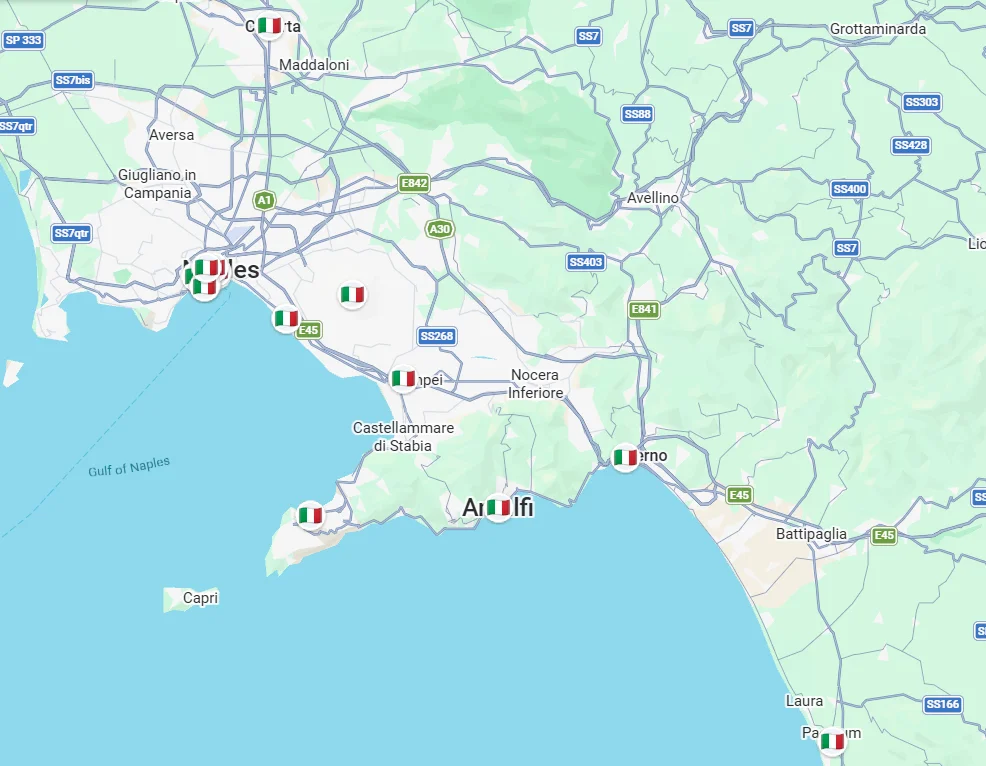
- ROUTE: Naples → Vesuvius → Herculaneum → Pompeii → Caserta → Paestum → Salerno → Amalfi Coast → Sorrento
- TOOLS: Campania ArteCard, Booking.com, Lidl
| ITEM | COST (2P) | NOTES |
|---|---|---|
| Stay | €161.80 | €132 – hostel in Naples (5 nights, 2 people) €29.80 – hostel in Salerno (1 night, 2 people) |
| Transit | €98.00 | Circumvesuviana (trains): Naples–Herculaneum–Pompeii–Sorrento Trenitalia (trains): Naples–Caserta, Naples–Salerno–Paestum Buses: Torre del Greco–Mount Vesuvius, Amalfi Coast (Salerno–Amalfi–Sorrento) |
| Food | €88.00 | €7.33/day per person. Shopped mainly at Conad. Cooked in the hostels. |
| Sights | €74.00 | Per person: €26 – Campania Artecard (365 Lite Pass) €11 – Mount Vesuvius |
| TOTAL | €421.80 | 6 days at €35.15/day per person |
How €35.15/day per person compares to my other trips: Budget Travel Cost per Day.
Getting There
Flying
Both Ryanair and Wizz Air fly to Naples for under €20 – if you’re flexible and travel with a small bag. Cheap destinations include Spain, the Netherlands, Greece, Germany, France, other cities in Italy, and more. Use Skyscanner with flexible date search.
Bus
We arrived in Naples from Rome on Itabus for €5. Rome was the previous stop on a 23-day loop – full overview: Southern Italy & Malta on €31/Day. Left on a €20 Itabus to Catania, Sicily (8 hours overnight).
Itabus and FlixBus compete aggressively on Italian routes, which keeps prices low. Compare both on Omio, but book directly to save €1–€2 on each trip. Always search Google for promo codes before buying. 10% discounts are easy to find, 20% are possible.
Getting Around
The main tool for day trips is the Circumvesuviana – a regional train line running from Naples through Herculaneum, Pompeii, and on to Sorrento. Cheap, frequent, and covers most of the key sites. To pay, tap your contactless card at the turnstiles.
For Paestum, Salerno and Caserta: Trenitalia regional trains from Naples Centrale. Buy tickets online or from ticket machines at train stations.
For the Amalfi Coast: buses from Salerno or Sorrento. Bus 5120 runs Salerno–Amalfi.
For Mount Vesuvius: train from Naples to Torre del Greco, then bus 808 EAV up to the crater.
Single tickets for all of these are cheap – under €5 for most legs. The transit total for 6 days across all day trips came to €49 per person.
Campania Artecard
Campania Artecard is the craziest deal and deserves its own paragraph. As far as I understand, it’s not a typical commercial multipass card, but more of a card to incentivize locals to visit cultural sites. Nothing else justifies its price. The thing is – you don’t have to be a local to purchase it.
We paid just €26 each and went for the 365 Lite version, launched in late 2023. The website lists 30+ sites, granting one entry to each. We used it to visit:
- Pompeii (a regular ticket would’ve been €20)
- Herculaneum (€16)
- Royal Palace of Caserta (€18)
- National Archaeological Museum of Naples (€20)
- Royal Palace of Naples (€15)
- Castel Sant’Elmo (€5)
- Paestum (€15)
The total for all of these would’ve been €109. The card saved us €83 each.
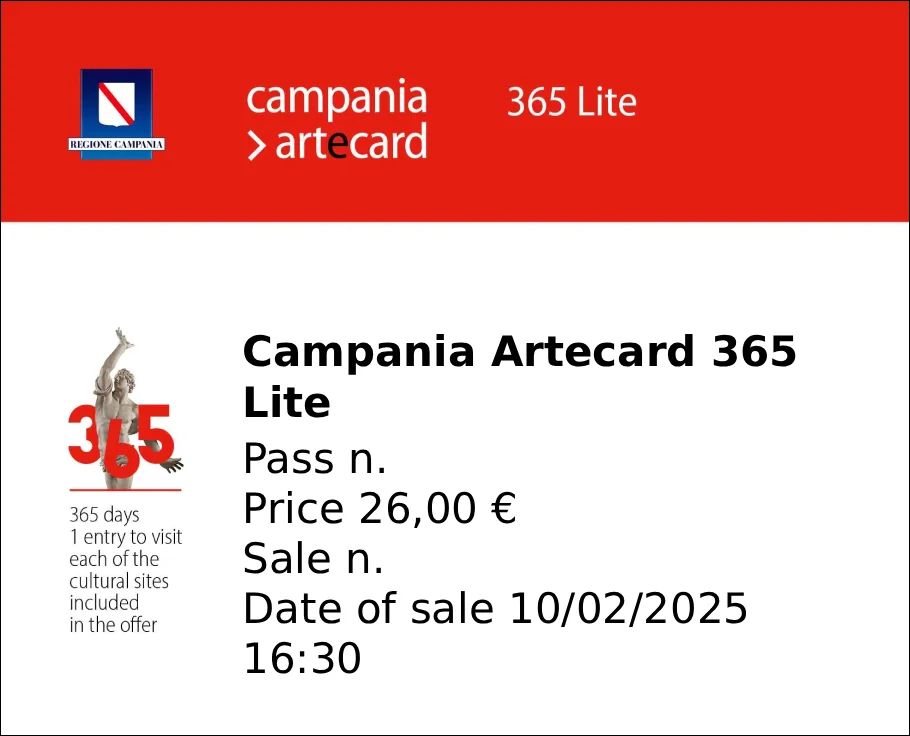
After purchasing the card, download the app to activate it. You then get 365 days to visit the included sites – one entry each. The website offers many versions of the card, but none of them come close in value to the 365 Lite. Note: Mount Vesuvius is the only major attraction not included. More ways to cut sight costs: Budget Travel Tips.
Day Trips
All of these are doable as day trips from Naples. We based ourselves there for 5 nights, then moved to Salerno for one night to do the Amalfi Coast.
Day 1 – Herculaneum and Mount Vesuvius
We combined these into one day – half a day each. Took the Circumvesuviana from Naples to Torre del Greco, walked 20 minutes, then took the 808 EAV bus up to Mount Vesuvius.
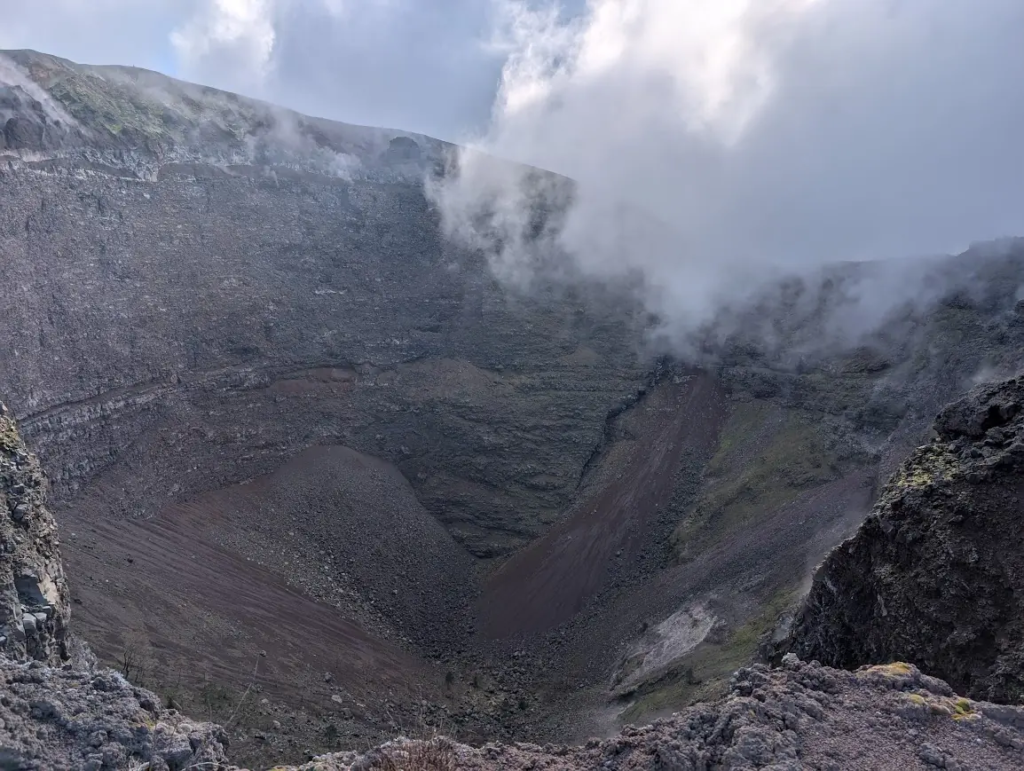
After hiking, took the 808 back down to Torre del Greco and walked the remaining 4km to Herculaneum. After visiting the ruins, we took the train back to Naples.
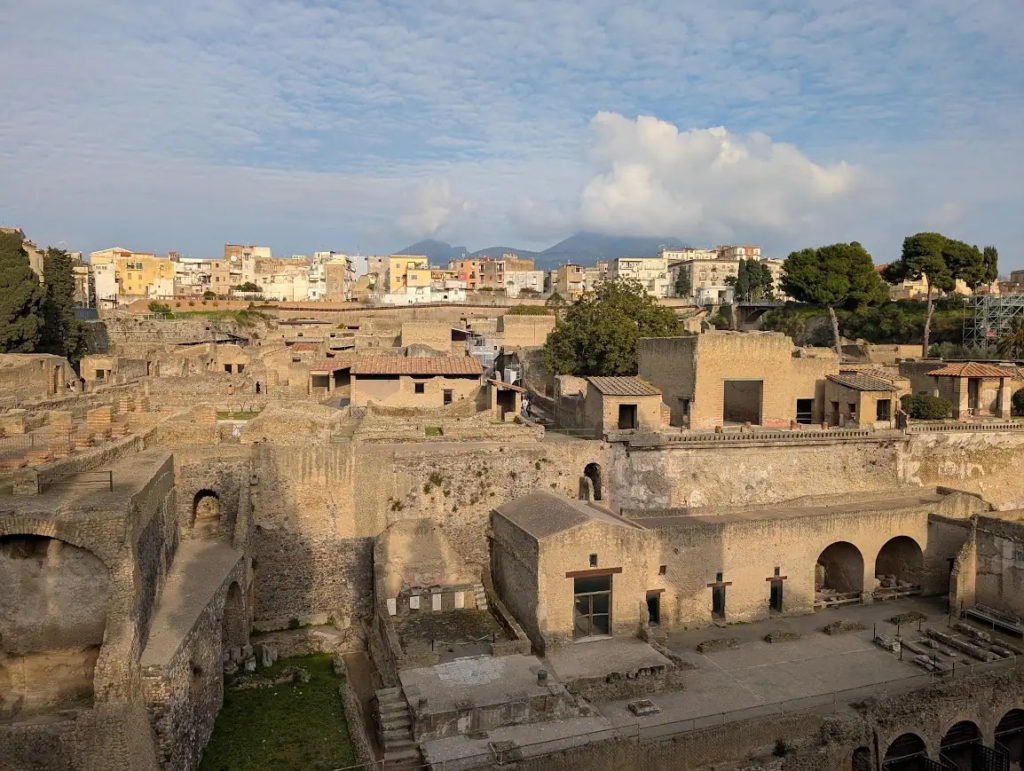
Herculaneum is included in the Artecard, Vesuvius entry isn’t – €11 – book online.
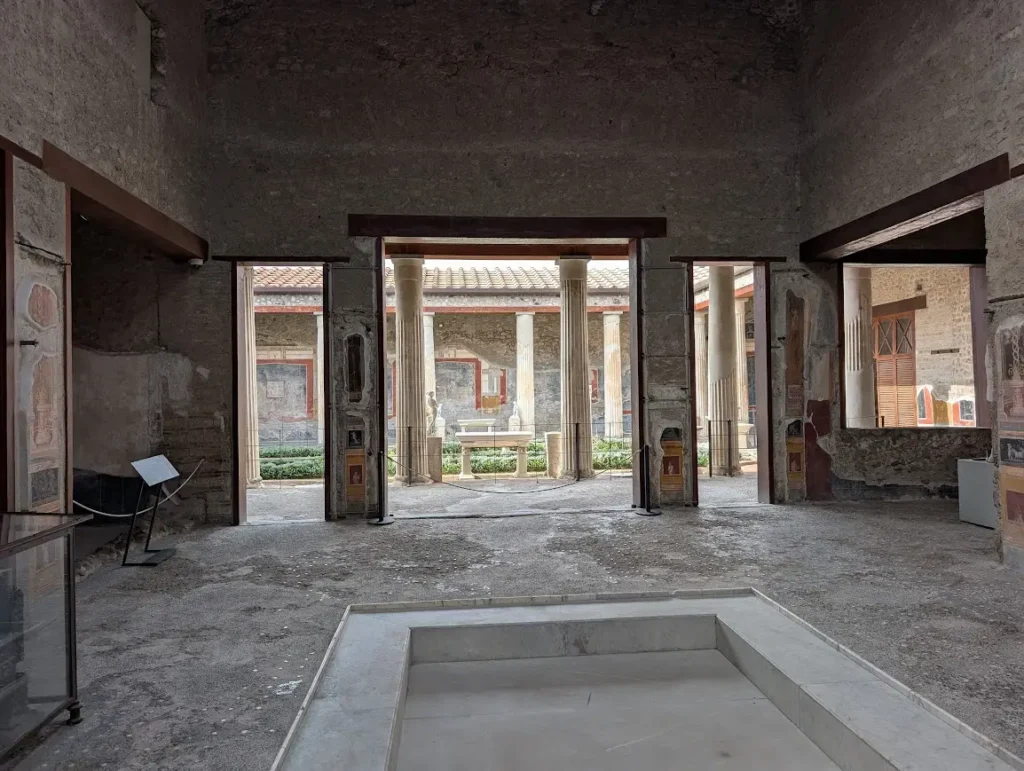
Day 2 – Pompeii
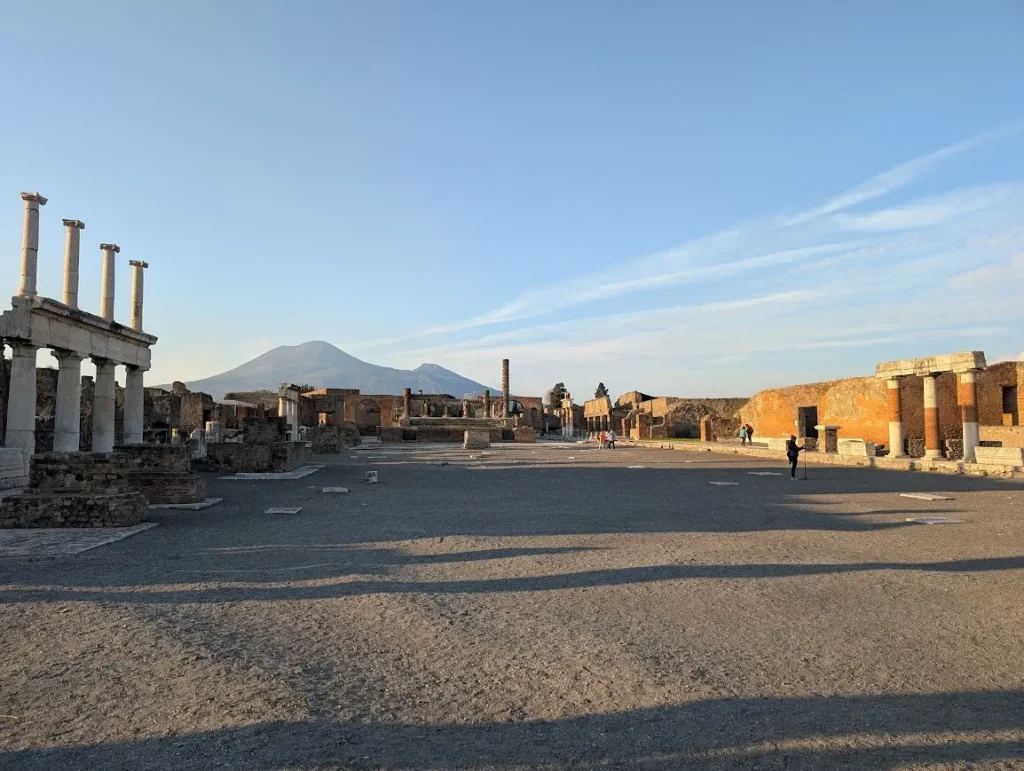
The biggest attraction in the region. Covered by the Artecard. We spent a full day and used a free audioguide from Rick Steves’ app. It felt like moving back to Ancient Rome.
Day 3 – Caserta
Half a day is enough for the palace. Trenitalia from Naples Centrale. Covered by the Artecard.

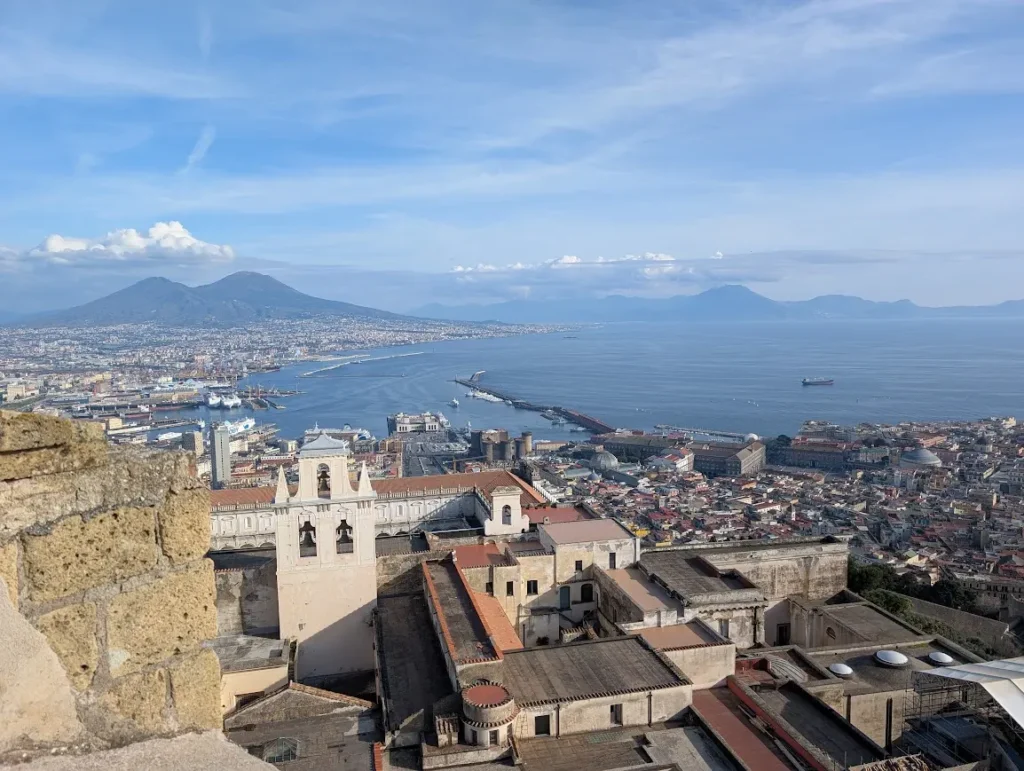
The other half of the day in Naples: we visited Castel Sant’Elmo and the Royal Palace of Naples – both included in the Artecard.
Day 4 – Naples
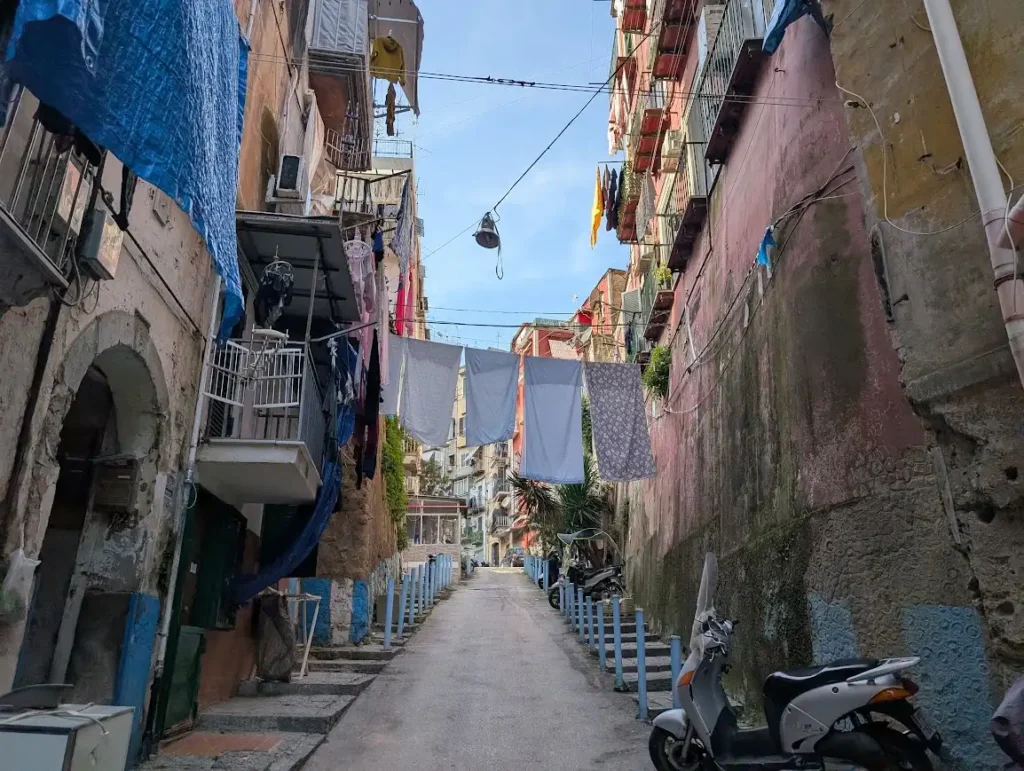
National Archaeological Museum of Naples (included in the Artecard) which was a nice complement to Pompeii – many original artifacts ended up in the museum for preservation. Again, we used the free audioguide from Rick Steves’ app.
Day 5 – Paestum and Salerno
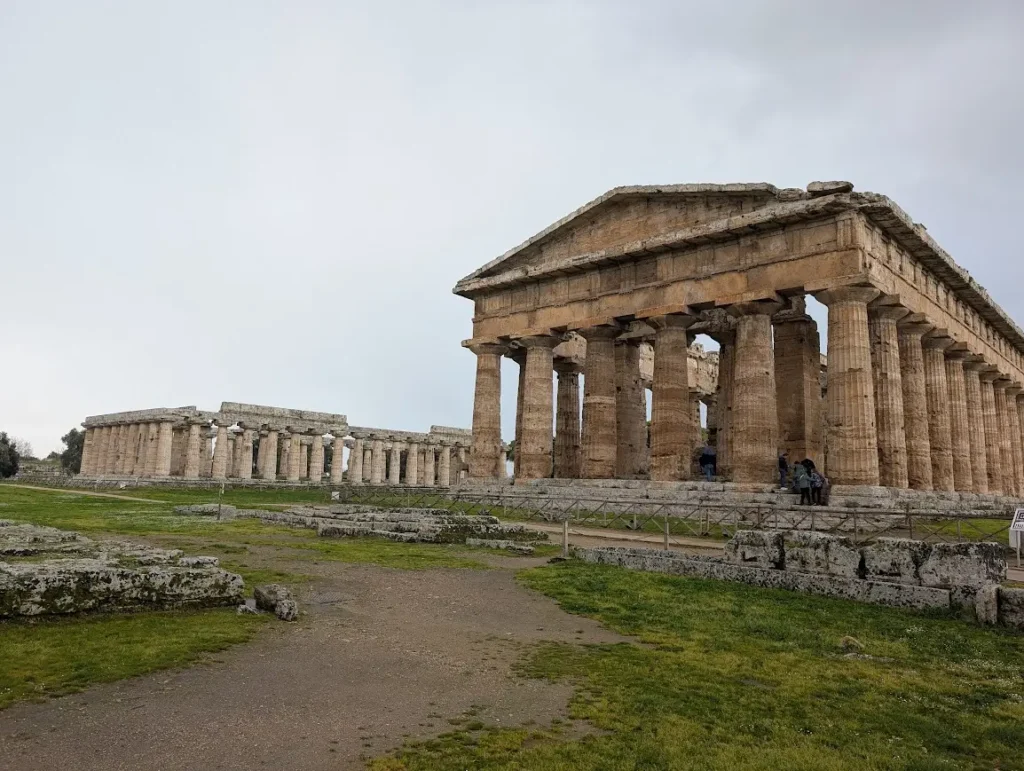
After checking out of the Naples hostel, we took a train to Paestum first. Visited the ruins (covered by the Artecard), spent a few hours there, then went back to Salerno and spent the night in a hostel.
Day 6 – Amalfi Coast and Sorrento
Next morning, we took bus 5120 toward Amalfi – we got denied boarding on the first bus due to too many people and waited over an hour for the next one. Arrive early and queue. The bus can get a bit wild with pushy people.
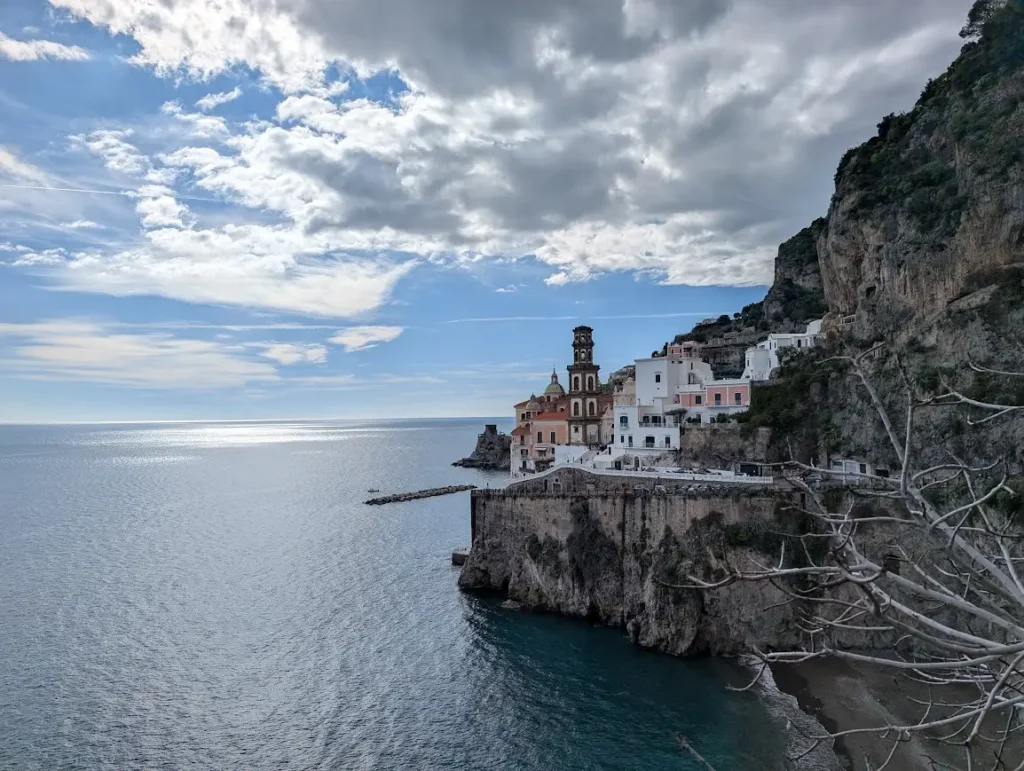
We took in the views from the bus, spent some time in Amalfi, then took another bus to Sorrento. We didn’t find Sorrento memorable – too many people and no landmarks. In the evening we took the train back to Naples before boarding an overnight bus to Sicily.
Accommodation
Central Station B&B Naples. 3/5. Okay for the price (€13 per bed on an off-season night), nothing great. Rooms a bit stuffy, common areas and kitchen not very clean.
Salerno Experience Hostel. 5/5. 1 night, €15/bed. Beautiful old building, clean place and friendly people.
Tourist tax is €2–€5 per person per night in Naples depending on accommodation type and location. Significant add-on on a budget stay.
To find the cheapest options, use Booking.com, sort by “Price (lowest first)” and filter to “Good: 7+” to cut the bad listings.
Food
€88 for two over six days. €7.33/day per person.
Shopped mainly at Conad (there was no Lidl around), cooked in the hostels.
Pizza in Naples is very cheap – €4–€6 for a margherita at a local place. Sitting down at a table costs extra. L’Antica Pizzeria da Michele is the most popular – €6 per pizza.
Season
The lowest season is mid-January to February. That’s my recommendation for the cheapest prices and fewer crowds. We went in February.
If you want better weather without peak crowds, April–May and September–October are solid alternatives. Accommodation runs 25% below summer rates and the sites are manageable.
High season is June–August. The city gets crazy with tourists and the heat is unbearable. Book Pompeii and Vesuvius well ahead if you’re going in peak months.

Practical
Currency
Euro (€). Cards are accepted at most places. If you’re coming from a non-Euro country, Revolut works well for foreign currency payments – note the 1% weekend markup on currency exchange.
Naples is slightly more cash-reliant than Rome – small local places, street food may be cash only.
SIM
Italy is covered by EU Roam Like at Home rules. If you have a European SIM, no extra roaming charges.
If you don’t have one, check eSIMDB, filter by data needed, trip length, and sort by price. Lyca Mobile Italy runs eSIM-based promos for €6/month – worth checking their site before buying anything else.
Language
Italian (and the local Neapolitan). English is widely understood in tourism, hospitality and among younger people.
A few useful phrases in Italian: buongiorno – good morning/good day, ciao – hi/bye, grazie – thank you.
Tips Summary
- Artecard: Buy the Campania Artecard 365 Lite for €26. Covers Pompeii, Herculaneum, Caserta, the Archaeological Museum, and more. Regular entry to all of them totals €109.
- Artecard App: The card is digital – QR code via the app. Screenshot it before arriving at each site. Logging in on the spot can be slow.
- Audioguide: Rick Steves has a free audioguide for Pompeii on his app.
- Bus Between Cities: Compare Itabus and FlixBus on Omio, then book directly to save €1–€2. Search Google for promo codes – 10% discounts are easy to find.
- Circumvesuviana: The main train for day trips – Herculaneum, Pompeii, Sorrento all on the same line from Naples Centrale.
- Vesuvius + Herculaneum: Combine into one day. Bus 808 EAV from Torre del Greco up to the crater, then walk down to Herculaneum.
- Amalfi Coast: Bus 5120 from Salerno to Amalfi. Arrive early and queue – the bus fills fast and they can deny boarding.
- Pizza: €4–€6 at a local place, less if you eat standing. L’Antica Pizzeria da Michele is €6.
- Accommodation: Booking.com, sort by “Price (lowest first)”, filter to “Good: 7+”. Check the tourist tax – €2–€5 per person per night in Naples on top of the room rate.
- Season: Go mid-January to February for the cheapest prices. April–May and September–October for better weather with manageable crowds.
- Flights: Ryanair and Wizz Air fly to Naples for under €20. Search Skyscanner with flexible dates, small bag only.
The Budget System
I keep daily travel costs under €30 using two methods:
● €3/Day Rental Car Guide
● Sleeping in Rental Cars
One week of travel cost me less than a day of work in Australia.