Budget Travel Tips: How I Keep Trips under €30/Day
Most of my trips cost under €30 per person per day. The cheapest was €13 in Alentejo and Algarve (Portugal). These are some of the tricks behind that:
Season
Go off season to popular destinations. Accommodation, rental cars and attractions all cost less outside high season.
Flights
To find the best deals, I use Skyscanner, often searching by “whole month” or setting the destination to “Everywhere” to get inspired. To keep costs low with airlines like Ryanair or Wizz Air, I try to fit in the free carry-on allowance. Check what your ticket includes before booking. Full-service airlines include a larger carry-on, while low-cost carriers charge extra for it, so Ryanair plus paid luggage can end up more expensive than a seemingly pricier ticket from a full-service airline. Full list of what I pack and more carry-on rules: Sleeping in a Rental Car Packing List.
I use Google Flights for its historical price data, which helps me guess whether a fare is likely to drop.
- Airport Transfers: Check the transfer before booking. In Oslo, getting in from Sandefjord Torp is around €18, which can double the cost of a cheap flight. Secondary airports can still win. Flights into Warsaw Modlin are cheaper than Chopin, and the train plus bus transfer is around €5: Northeastern Poland Budget Guide.
- OTAs: While many advise against booking through OTAs (Online Travel Agencies), I use them if I can save more than €10 over the airline’s direct price. It can make changes more difficult, but in my experience, the savings have been worth the minor risk. I’ve never had any issues.
- Multi-City Search: For some destinations, multi-city search (usually up to 3 flights) can be much cheaper than separate flights combined. In Portugal, Lisbon → Horta, Horta → Ponta Delgada and Ponta Delgada → Terceira cost €102.29 per person via Trip.com, checked luggage included. Booking all the legs separately would’ve been double: Azores Budget Guide.

- Check In Late on Low-Costs: On Ryanair, Wizz Air and other low-costs, I don’t pay for seats. I check in as late as possible, which significantly improves the chance of getting a good one for free – airlines hold the better seats back until the last moment, so that people can buy them.
Rental Cars
I rented a car in Sicily for €3.12/day via DiscoverCars. Decline the expensive excess cover the rental company offers at the desk and get a policy from an independent provider instead. Full process with more tips on how to secure the cheapest deal: €3/Day Rental Car Guide.
- Where: Portugal, Spain and Greece are the cheapest. Their fleets are huge and competition is brutal. Lisbon was €2.98/day in November 2026. Season matters as much as place: Catania was €2.50/day in November 2026 and €21.77/day in July 2026. Live table: European Car Rental Price Comparison.
- Don’t Book Directly: Use an aggregator like DiscoverCars (my review). Booking through the rental company’s own website may cost 2x–4x more.

- Free Parking: Search Google Maps for free parking. In Barcelona I parked free for 3 nights in a wealthier suburb, around a 20-minute walk from a metro station. In Madrid I parked in a suburb outside the low emission zone and took the train in. In Toulouse, the park-and-ride at the end of the metro line was free for up to 24 hours once I validated a metro ticket.
- Tolls: Set Google Maps to avoid tolls. A free road runs parallel to almost every toll highway. Slower, but you see more of the country.
- Fuel: Fill up across the border where it’s cheaper. Diesel was €1.20/L in Spain against €1.70 in France in November 2025. In Spain, unstaffed stations are far cheaper than bigger chains like Shell. In Italy, use self-service pumps only, because an attendant (even at the same station) means a higher rate.
- Fuel Price Apps: Check Google Maps and Waze for fuel prices, but in some countries they won’t work. In Spain, we used the Gasall app, and in France, the government site prix-carburants.gouv.fr. Some locations (like Madeira and the Azores) have their fuel capped by the government, making the prices virtually the same across different stations.
Getting Around
- Omio: In Europe, I use Omio to scan for bus and train connections, but then book direct with the operator (like FlixBus or Itabus) for a better price. Sometimes it’s not cheaper direct, especially with ferries.
- Operator Sites: Some operators aren’t on Omio at all. LTG Link, Lithuania’s railway, is often the cheapest option, with Warsaw → Vilnius from €12: Lithuania, Latvia and Estonia Budget Guide. Check national trains. They often aren’t displayed in international aggregators, or the prices are inflated. The Ecolines bus line flash sales also only show up on their own site.
- FlixBus Promo Codes: Search Google for promo codes before paying. 10% is common (a student ISIC card gets 10% off FlixBus), and up to 25% can sometimes be found (Allegro Smart, a Polish loyalty program). One code covers all passengers and return legs. Also, I follow a local forum where people give away coupons they don’t need.
- Other Promo Codes: Always google them. A “day trip” promo got us a Helsinki → Tallinn return for €10 per person (instead of €25 each way). We used the first leg only. Don’t skip the outbound: missing the first leg cancels the return (same as when flying).

- Day Bag Storage: On transit days I store the bags and walk the city. In Toruń, the tourist office on the main square stores luggage for just around €3/day: Polish Coast Budget Guide.
Accommodation
When I have a rental car, I usually sleep in it. In Sicily, my bed was a €3.12/day rental car: Sleeping in Rental Cars. Rules country by country: Is It Legal to Sleep in a Rental Car in Europe? To find spots, I use park4night.
Otherwise, I cross-check the most popular portals. I use the Google Maps app’s “Hotels” button, which combines deals from different sites and can sort them by price. Usually, the best deals are found on Booking.com or Airbnb (location dependent). Note Booking’s mobile app offers better deals than the website.
- Booking.com Filters: Sort by “Price (lowest first)” and filter to “Good: 7+” to cut the bad listings. Agoda is occasionally cheaper, so I check both.
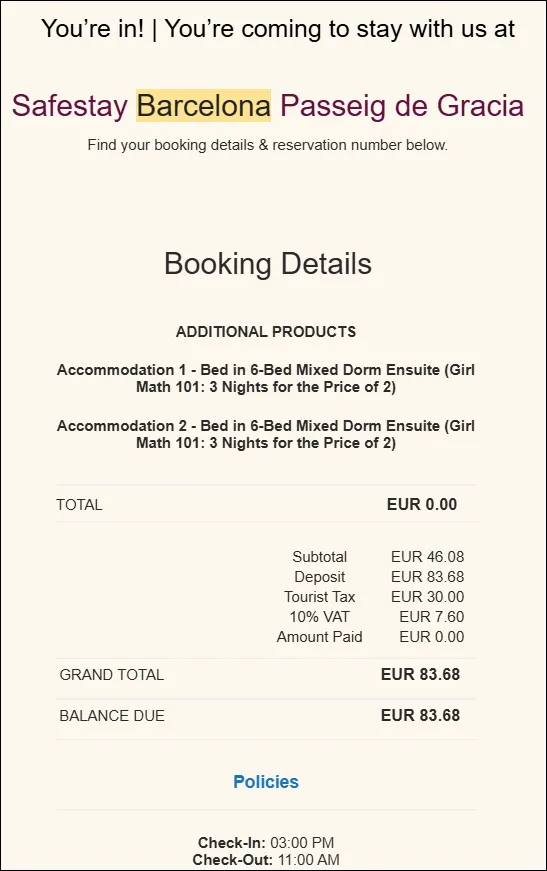
- Hostel Websites: I also cross-check against hostels’ own websites, as they sometimes run good promos. A promo got me a bed at Safestay in Barcelona for €13.95 (3 nights for the price of 2) and at Hostal Chueca in Madrid for €11.02.
- New Listings: New hosts run launch discounts to collect their first reviews. I book them if the cancellation policy stays open until 24 hours before arrival. Then I wait to see if good reviews pop up before my arrival. Otherwise I can cancel. That’s how we got a Madeira Airbnb with zero reviews at €48.11/night for three people: Madeira Budget Guide.
- Weekdays: A €20 hostel bed on Tuesday became €40 on Friday in Scandinavia. I time trips to hit weekdays in expensive locations.
- Tourist Tax: Double-check it. Often not included on Booking.com (read the fine print). The rate depends on the accommodation type: in Rome it runs from €3.50 (per person per night) at hostels to €10 at 5-star hotels.
- Airport Nights: Airports are a great resource if I land late or leave early. Milan Malpensa has flat benches landside, and Copenhagen lets you stay airside after landing. Check on sleepinginairports.net.
- Overnight Bus: It can replace a paid night, especially in expensive regions. Copenhagen → Oslo saved us one night: Scandinavia Budget Guide.
Sights
I always look for free entry days before buying a ticket, and try to time my trip around them if possible.
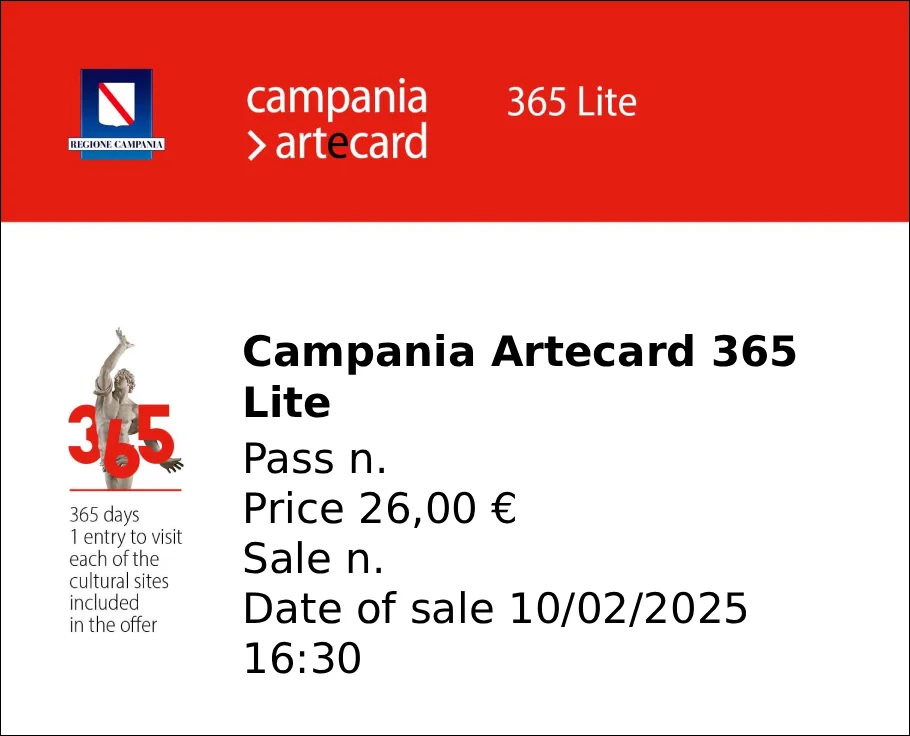
- City Passes: When a multi-site pass exists, I do the math. Usually it’s not worth it, but sometimes it’s a great deal. The Campania Artecard 365 Lite cost €26 and covered sights worth €109, so €83 saved: Naples Budget Guide.
- Official Sites: Book on the official site. The Alhambra was €22.27 each after I refreshed the booking page 50+ times. Resellers charge €50–€100+.
- Book Early: Some sights sell out months ahead. Malta’s Hypogeum needs booking around 3 months ahead in high season, and I never got a ticket. Sagrada Família wanted 2 weeks in November and up to 60 days in peak season. If you miss out and the place keeps a same-day quota of last-minute tickets, show up early.
- Audioguides: Rick Steves’ app has free ones for Pompeii and other big sites. The Vasa Museum in Stockholm includes one in the ticket.
- Tours and Shows: I browse GetYourGuide for discounts and stack the 10% welcome voucher on top. A one-hour flamenco show in Granada was €15.30 per person, down from €25: Granada Budget Guide.
- Italy: State sights (Colosseum, Pantheon) are free on the first Sunday of each month, but you queue for the ticket. Vatican Museums are free on the last Sunday, saving €25. EU citizens aged 18–25 pay €2 at state sights: Rome Budget Guide.
- France: Most publicly run sights are free for EU residents under 26, so carry ID. Most cathedrals are free too, but many close for 1–2 hours at lunch: Southern France Budget Guide.
- Madrid: The Prado and the Reina Sofía are free in the last two hours of opening. The Royal Palace is free Monday–Thursday in its last two hours for EU citizens with ID. Reina Sofía needs a pre-booked free ticket, and the Temple of Debod a free timed slot: Central Spain Budget Guide.
- Barcelona: Check each museum’s free hours. MNAC is free on Saturday afternoons, the Picasso Museum on Thursday afternoons with a pre-booked ticket, and Santa Maria del Mar every evening: Barcelona Budget Guide.
Food
Groceries came to around €6–€9 per person per day across most of my trips. Supermarkets for almost every meal, cooking where I sleep.
- Supermarkets: Lidl has been the cheapest chain for me across Europe. Aldi is often just as cheap if there’s no Lidl nearby. With a car, I get access to larger supermarkets, which often halve grocery costs compared to convenience stores.
- Cook: I cook in hostel kitchens. In Scandinavia that came to €8.71 per person per day, and it’s one of the most expensive regions in the world.
- Too Good To Go: Too Good To Go sells surplus restaurant food at the end of the day at a fraction of the normal price. Good option when you want something hot without paying full Scandinavian prices.
- Pizza: In Italy a full pizza was €4–€6 at local places. Sitting down at a table costs extra.
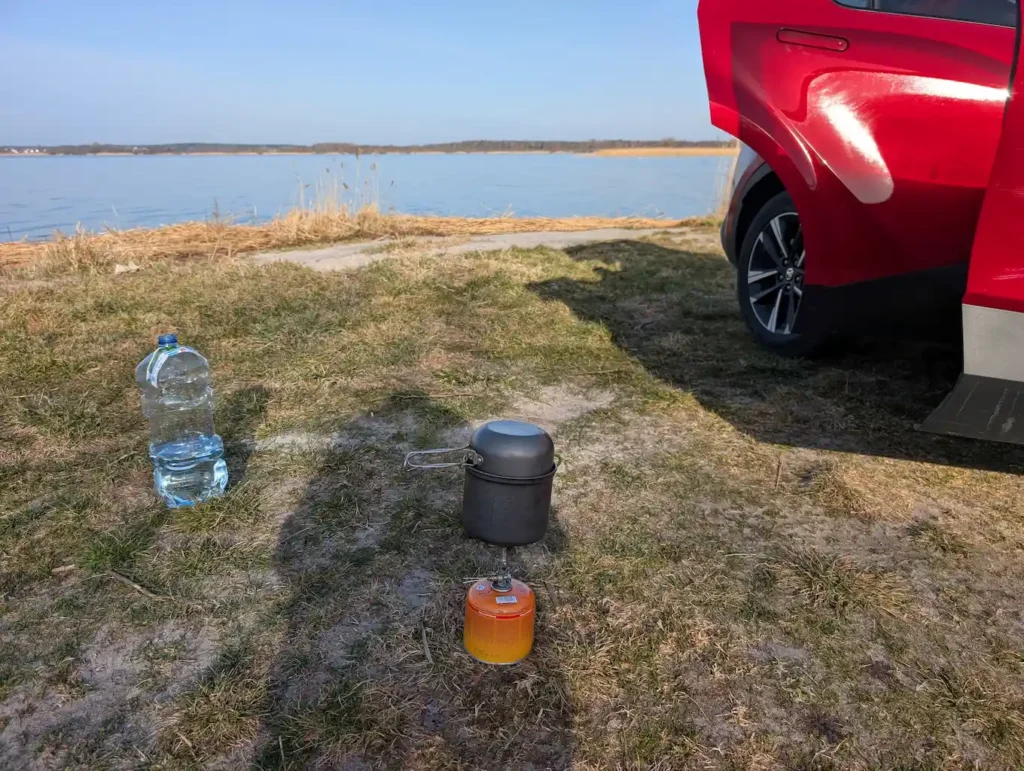
- Cooking When Sleeping in a Car: A small camping stove and pot are easy to pack in carry-on. Gas canisters can’t go on a plane, so I buy one on arrival for around €5–€8 at Decathlon, Leroy Merlin or a large hypermarket: Sleeping in a Rental Car Packing List.
Money
I use Revolut as my default card abroad. Note the 1% markup on weekends on the free plan. Pre-exchange in the app to avoid it. Some traditional banks offer Mastercard/Visa currency rates without a markup, which are just as good as Revolut, so double-check your bank’s fees.
I try to carry as little cash as needed, location dependent. Withdrawing from an ATM at the destination is almost always cheaper than exchanging in exchange offices, as long as you use the right bank card. If I need cash, I check the ATM Fee Saver app first to find commission-free ATMs around. It’s not a very popular app, but I’m super impressed with how well it works. The alternative for finding the ATMs with the lowest commissions is the Wikivoyage ATM fees page.
SIM
I use eSIMDB to compare eSIM deals. It got me a 3GB, 7-day SIM from chillaxsim in Moldova for €1.90, basically nothing: Moldova Budget Guide.
- Roam Like at Home: A European SIM works across the EU with no roaming charges. Notable exceptions in Europe: Andorra, Monaco, Switzerland, the UK. Check what your plan includes.
- Firsty: A free eSIM that gives you data in many countries after you watch ads. At the time of writing, a short ad gets you around 30–60 minutes, depending on the country. Speeds are slow, enough for messaging and maps. Check the coverage list before relying on it. Cool concept, but not super reliable in my experience. I use it as a backup, or when I’m somewhere just for the day.
Maps
I use Organic Maps for offline maps and hiking trails. It also lists public toilets, showers and drinking water, which Google Maps often misses.
For places with limited data, I download offline maps in Google Maps.
When I plan, I save places to a “Want to go” list in Google Maps. As I visit them, I put them in a separate list for my memories. The lists are shareable, and they’re a good way to look back later.
For finding well-rated hike routes with estimated times and reviews, I use AllTrails. I check Mountain Forecast before any high viewpoint or summit. Cloud cover is the main variable.
Editing OpenStreetMap is a bit of a hobby of mine, especially in countries where the map is not so accurate. I record my hikes with OSMTracker, upload the track, and then map it out on their website. A few weeks later it’s usually available on Organic Maps and other OpenStreetMap-based apps (and there are plenty).